New Climate TRACE report quantifies the emissions impact of COP31 climate targets and identifies pathways with the greatest co-benefits
Clean power is a particular force multiplier of COP31 goals, with facility-level analysis showing that pairing smart 35% electrification with new clean power doubles the emissions cuts at one-twentieth of the cost.
Antalya, Türkiye -- November 13, 2026 -- A new Climate TRACE analysis finds that meeting the electrification, waste, and buildings pledges at the center of the COP31 Action Agenda would substantially cut global greenhouse gases. But billions of tonnes of emissions could be left on the table without a data-driven strategy for what specific actions to take, where, and with what power.
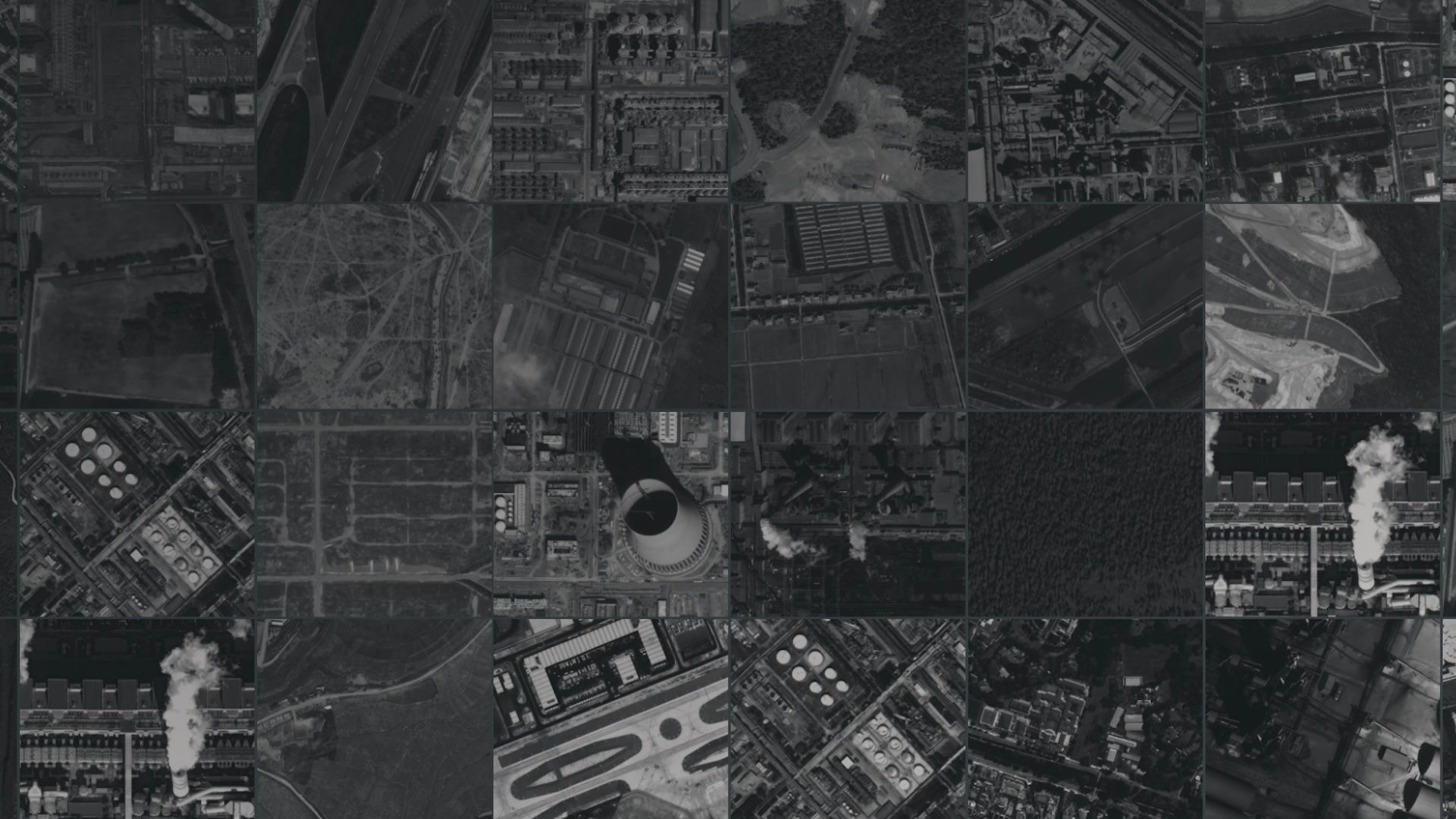
The report from Climate TRACE, Aiming Higher: The Additional Emissions Possibilities Presented by the COP31 Targets, utilizes data on more than 901 million emitting assets and 215 solutions that are commercially deployable today to identify the highest impact ways to meet these goals. The difference between a targeted plan and no prioritization is striking: on the 35x35 goal alone, precise pairing of electrification strategies with new clean power would nearly double the emissions cuts -- up from 7% of global emissions to nearly 14%.
"Pursuing these goals without a plan is like trying to cook a meal with all the ingredients but no recipe. You end up with something on the table, but it's not the meal you need to fuel you through the end of the day," said Climate TRACE co-founder, former U.S. Vice President Al Gore. "We have the solutions we need to cut emissions. What leaders need now is the recipe that identifies the combination of locations and actions needed to deliver the best outcome. Climate TRACE data show us precisely where to direct action for maximum impact. Now leaders must act on it."
Key findings of the report include:
-
The 35x35 goal will result in significant emissions reductions. But the manner in which that goal is achieved can result in double the emissions reductions at a lower cost per tonne -- cutting nearly 14% of current global emissions.
Achieving the 35x35 target would cut roughly 4.1 billion tonnes (Bt) CO₂e per year, even without an approach that prioritized emissions cuts -- lowering global emissions 7%. Prioritizing the most impactful pathways and aligning those pathways with new clean energy could cut 7.9 Bt CO₂e a year -- nearly doubling the impact and cutting 13.7% of current global emissions. -
Clean power is a force-multiplier, lowering both emissions and cost.
Pairing electrification with clean power can produce nearly twice the emissions reductions for as little as one-twentieth the cost per tonne of CO₂e. In buildings alone, achieving the COP31 goal by pairing electrification with clean power cuts 50% more emissions than simply pursuing electrification on today's grid. However, some electrification plans could backfire if they are not coupled with new clean sources of power. For example, converting to electric vehicles and installing heat pumps in areas where new demand is met by coal or gas could lead to increased power emissions that would offset the savings from electrification. -
Electrification significantly addresses the public health burden of air pollution.
Buildings, transportation, and steel account for nearly a third of all human-caused fine particulate pollution (PM2.5) that people are exposed to worldwide, with the greatest health burden localized to the areas closest to emitting sources. Achieving the 35x35 goal could cut the pollution burden from these sectors by more than 60% globally and up to 80% in non-Annex 1 countries, where pollution exposure is as much as 12x higher than in Annex 1 countries. This would result in large health benefits -- especially for developing nations.- Alongside the release of this report, Climate TRACE is launching real-time industrial air pollution forecasts, enabling users to see how fine particulate matter (PM2.5) travels from factories, power plants, and other major point sources, based on real-time weather data.
-
Covering unmanaged landfills offers a low-cost opportunity to magnify the emissions reduction benefits of achieving the COP31 waste goal.
Achieving the COP31 goal to cut growth in waste in half would trim 7.5% (80.7 million tonnes [Mt] CO₂e) off projected emissions from waste disposal. But it's possible to double the reduction in emissions -- if not more -- by also managing waste currently in uncovered landfills. Cutting methane emissions from waste already in landfills is possible at one-tenth the cost now being incurred to manage emissions from waste. -
Electrification of buildings reduces energy demand and emissions 10x more than many commonly used efficiency measures alone.
When compared to efforts to address the building envelope -- primarily application of insulation to prevent the loss of energy for heating and cooling -- electrification results in more than 10x the cuts in energy demand. The impact on emissions reductions from electrification measures is similar, with the potential to cut 3.5 Bt CO₂e from full building electrification worldwide.
The report offers a glimpse into the granular data and research produced by the Climate TRACE coalition, all of which aims to prioritize high-impact climate actions worldwide. Climate TRACE is working with C40 Cities, the Global Covenant of Mayors for Climate & Energy (GCoM), and the Under2 Coalition on city, local government, and state pilot programs to support climate action planning. Together, they aim to help cities and states --- many of which have incomplete emissions inventories --- access Climate TRACE emissions data, compare them with official existing data, and develop emissions reduction pathways aligned with their climate targets
To further facilitate this level of targeted planning, Climate TRACE is expanding access to its asset-level data across various features on its public platform. An integrated AI interface allows anyone to search the Climate TRACE database by asking questions in natural-language, returning data and analysis directly from the coalition's dataset. Users can develop sector-specific scenarios, evaluate cost-effective pathways, and identify high-impact interventions tailored to local jurisdictions.
"Our asset-level tracking has uncovered so many ways where execution dictates impact," said Climate TRACE co-founder Gavin McCormick. "If governments make smart decisions about how to meet these goals, there is now tremendous opportunity to double their climate progress while greatly slashing public health burdens --- all at a lower net cost."
About Climate TRACE
The Climate TRACE coalition was formed by a group of AI specialists, data scientists, researchers, and nongovernmental organizations. Current members include Carbon Yield; Carnegie Mellon University's CREATE Lab; CTrees; Duke University's Nicholas Institute for Energy, Environment & Sustainability; Earth Genome; Former Vice President Al Gore; Global Energy Monitor; Global Fishing Watch/emLab; Johns Hopkins University Applied Physics Lab; OceanMind; RMI; TransitionZero; and WattTime. Climate TRACE is also supported by more than 100 other contributing organizations and researchers, including key data and analysis contributors: Arboretica, Michigan State University, Ode Partners, Open Supply Hub, Saint Louis University's Remote Sensing Lab, and University of Malaysia Terengganu. For more information about the coalition and a list of contributors, click here.
Media Contacts
Fae Jencks and Josh Petri for Climate TRACE